Landscape Design Starts With Observation
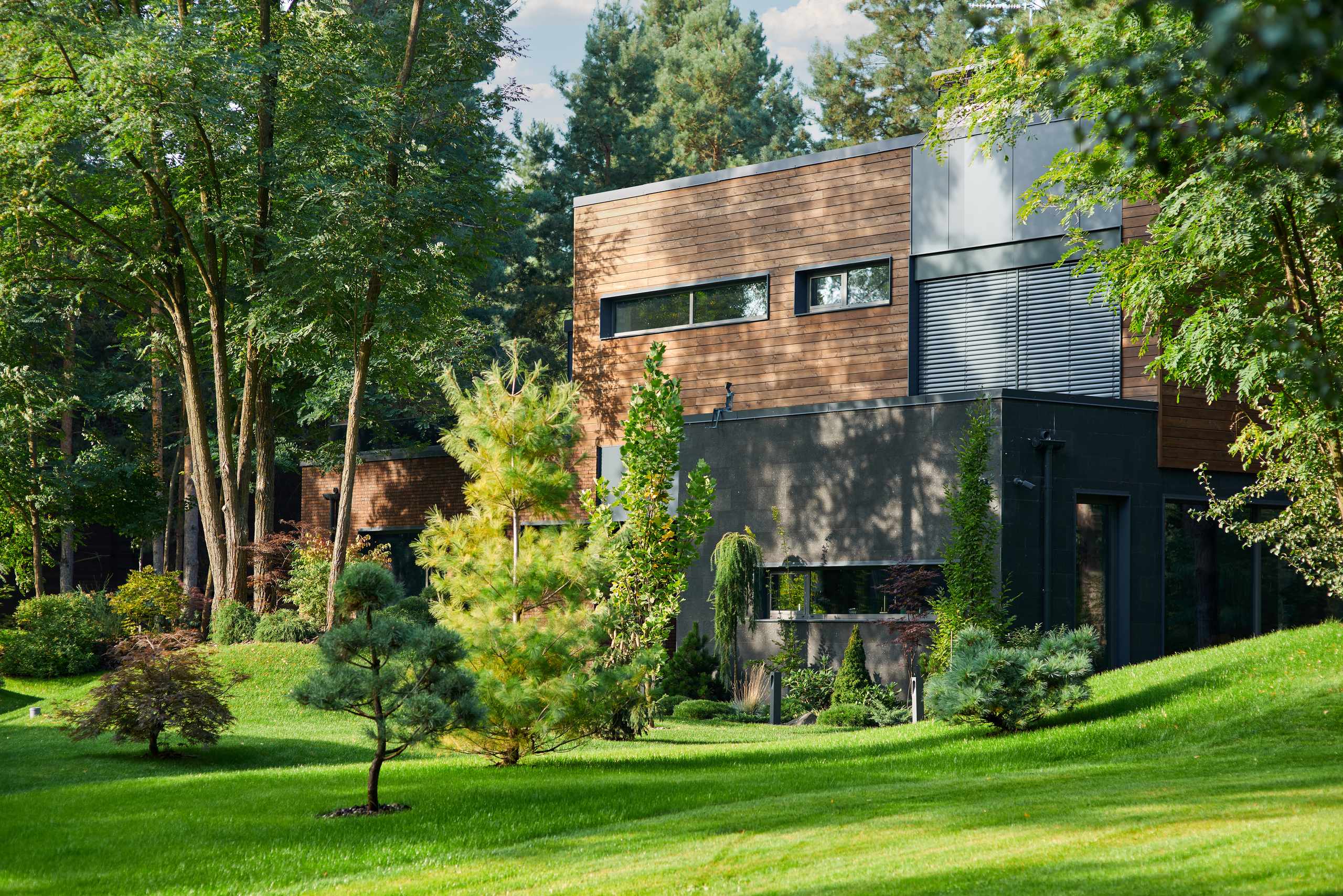
A Practical Approach To Outdoor Planning
LandDesign Academy focuses on the decisions that shape a workable garden or yard: reading site conditions, defining useful zones, planning circulation, and testing planting ideas on paper before committing to a layout.
Understand Why Each Element Belongs
Instead of placing paths, beds, and plants by instinct alone, practice looking at sun exposure, access, mature plant size, views, and available space so every choice has a practical reason.
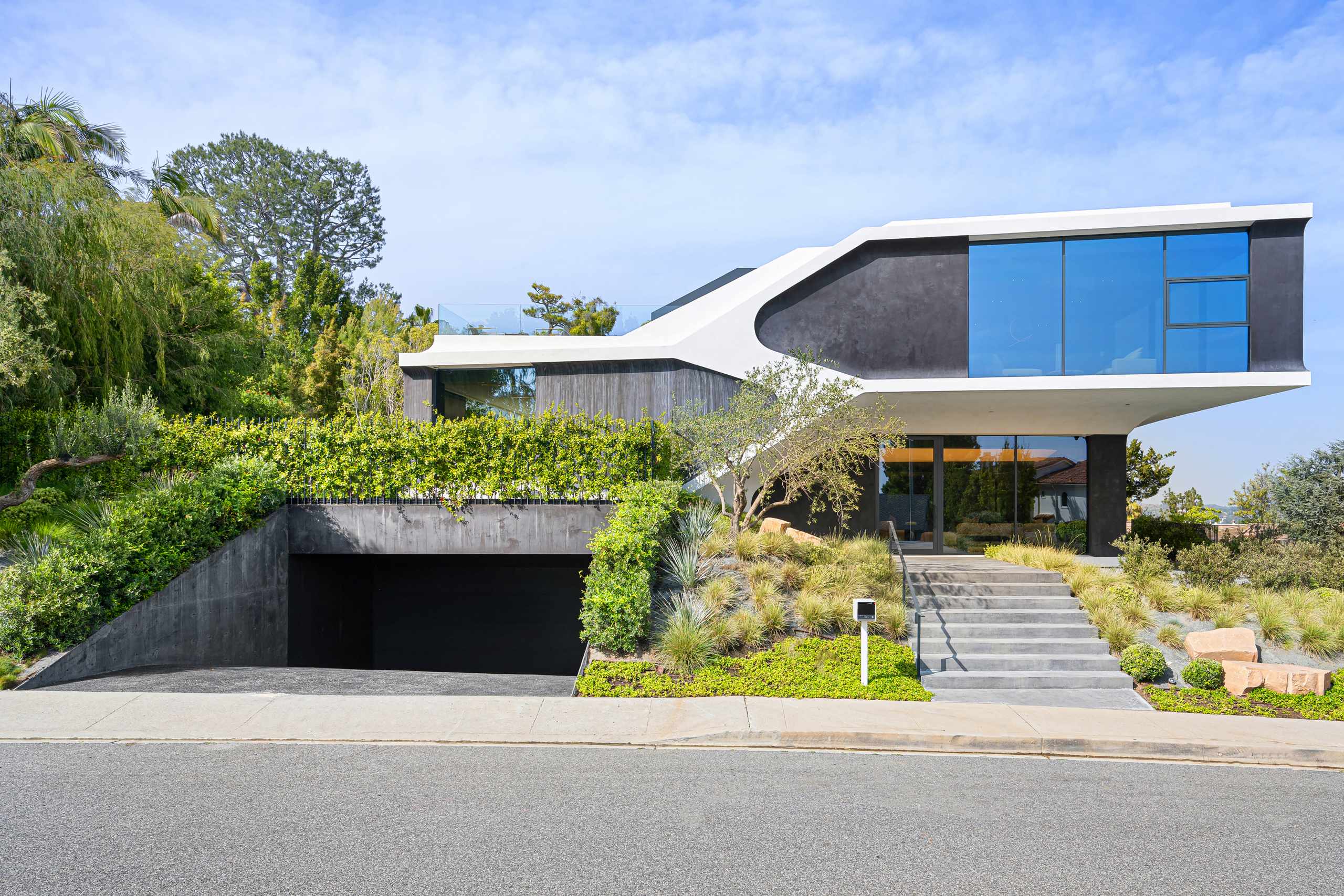
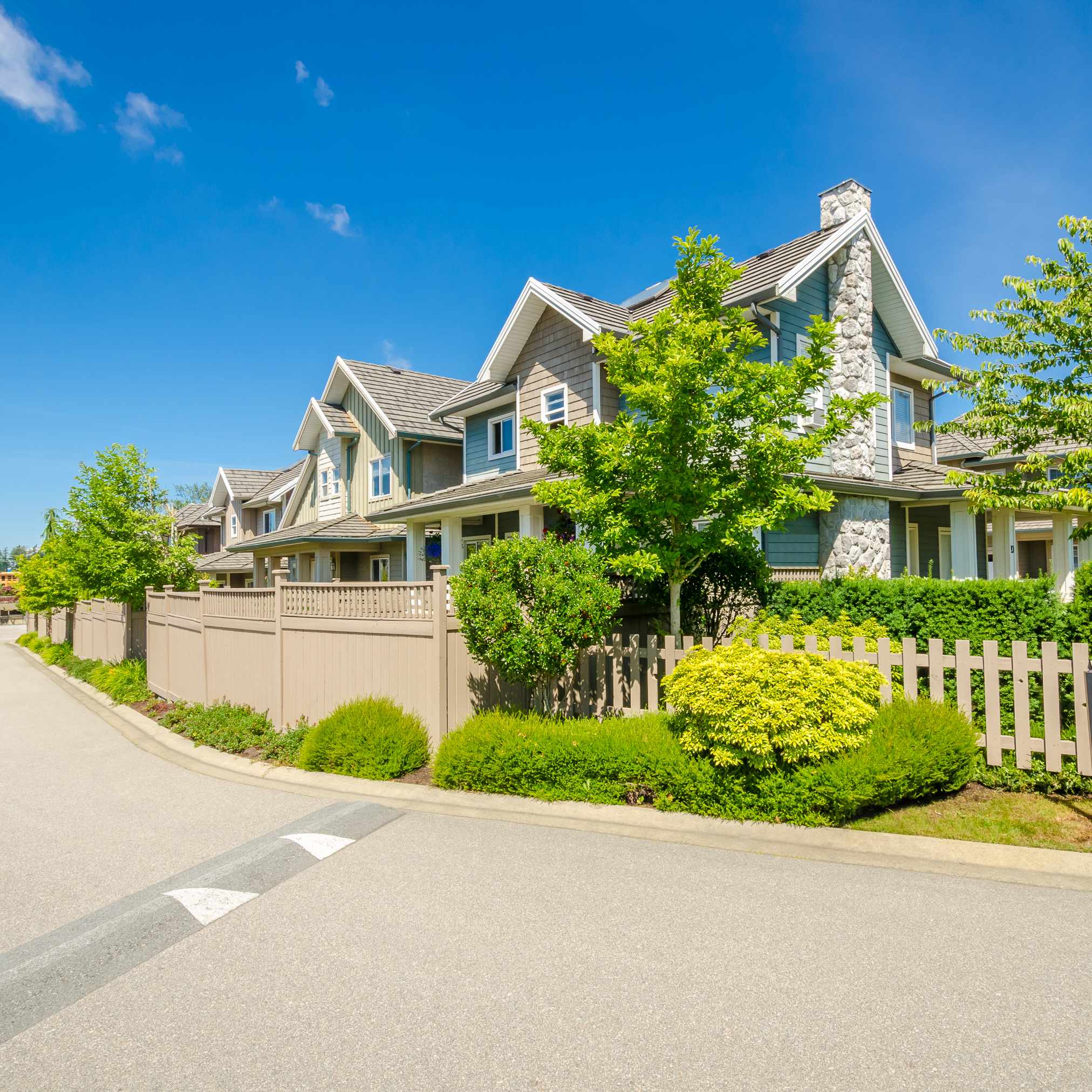
Observe Before Drawing
Mark entrances, sunlight, shade, views, slopes, and existing features before deciding where new landscape elements should go.
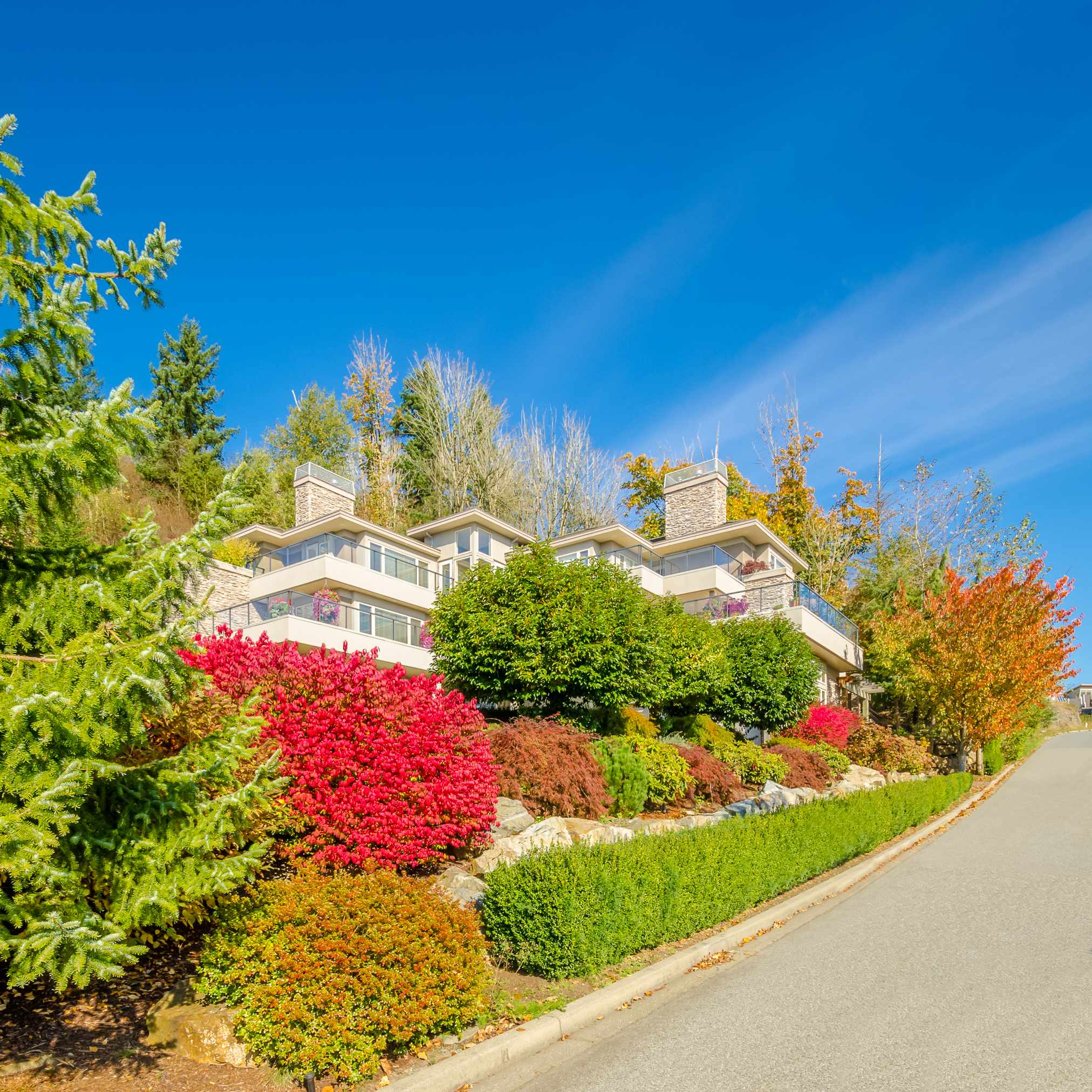
Test Several Layouts
Sketch different versions of the same site so you can compare zoning, pathway flow, open space, and planting areas.
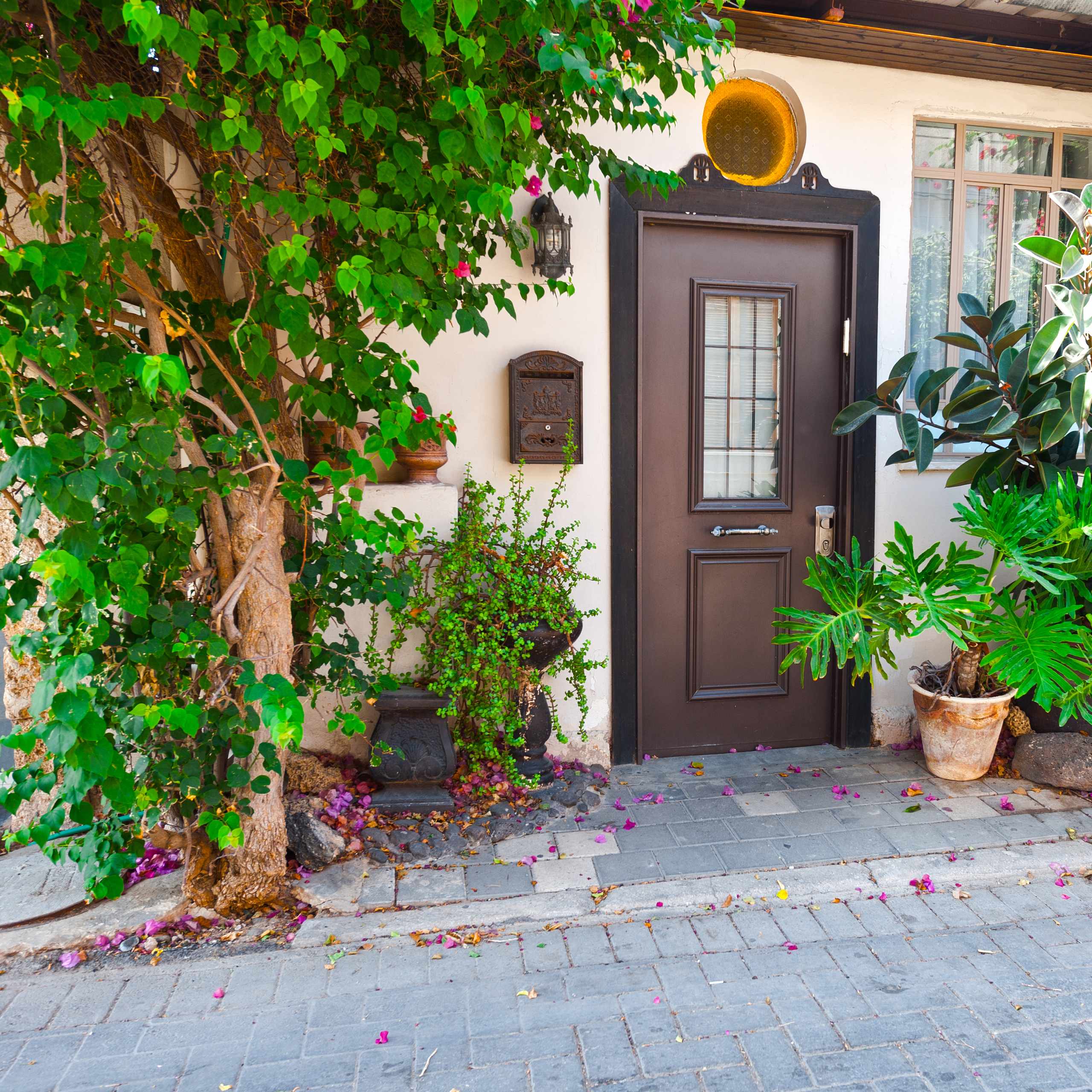
Revise What Feels Crowded
Review spacing, circulation, and transitions, then remove or move elements that make the plan difficult to use or maintain.
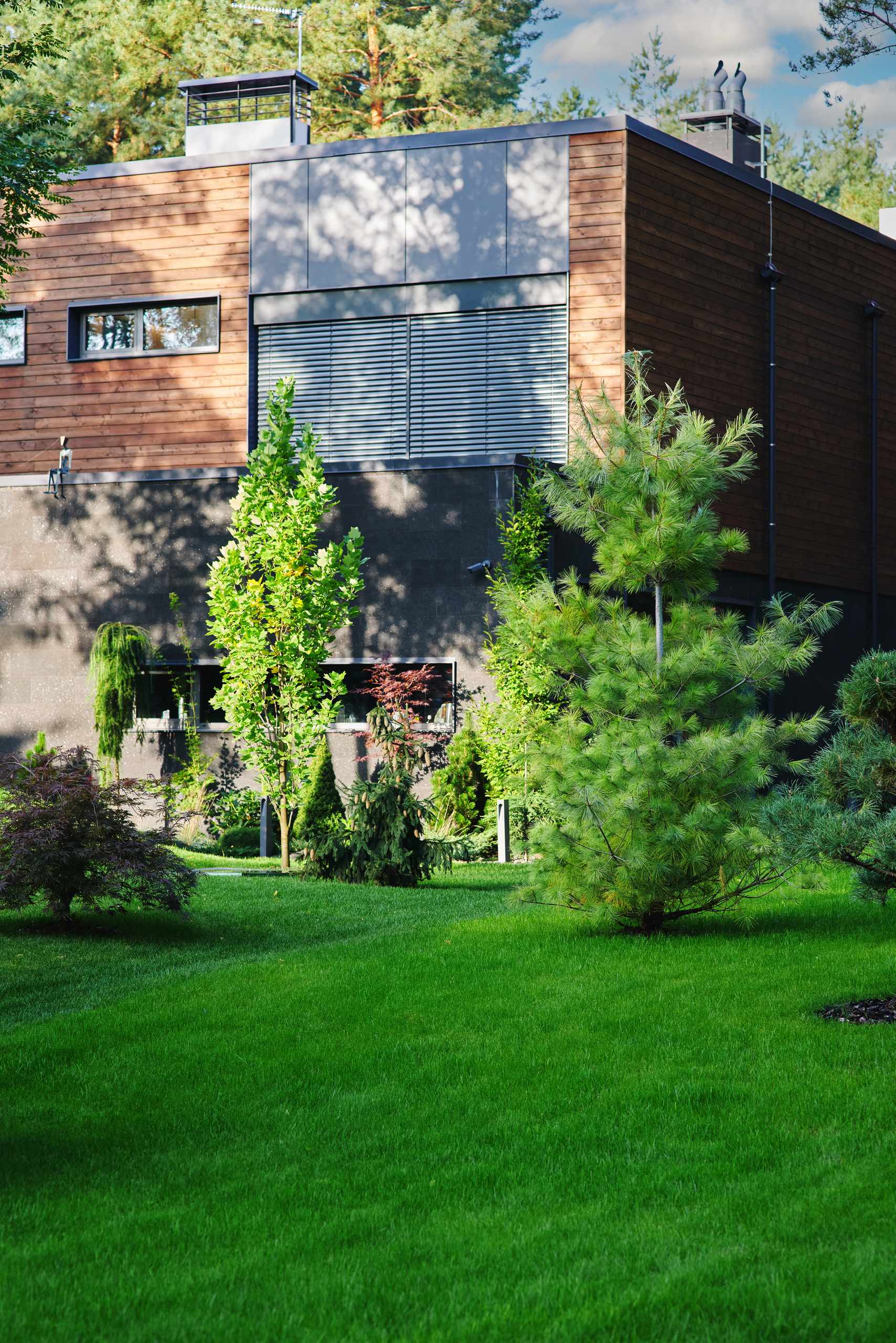
Plan Paths And Access
Connect entrances, patios, garden beds, and seating areas with routes that feel direct and leave enough room for comfortable movement.
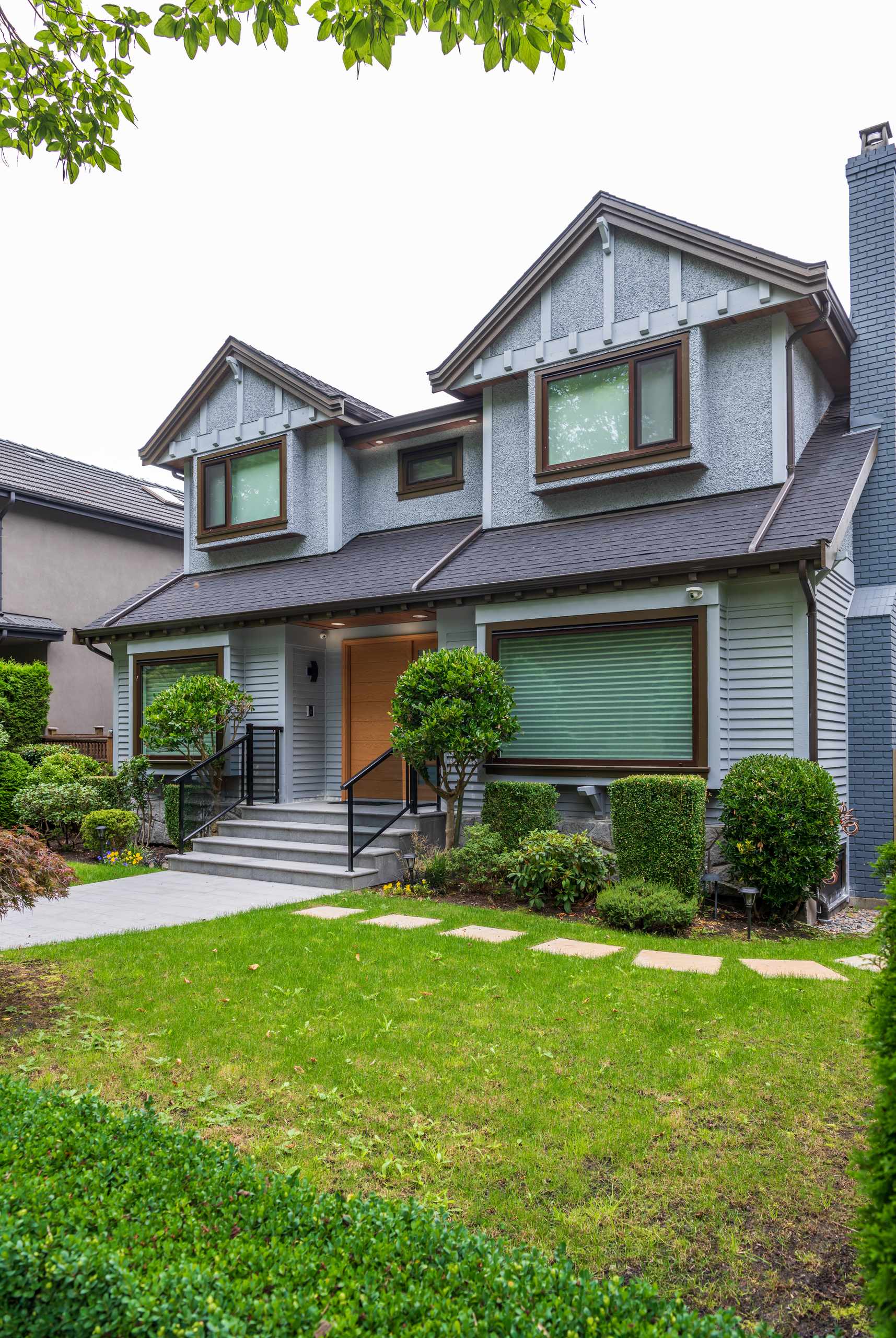
Build Planting Groups
Arrange plants by mature size, height, texture, repetition, and seasonal interest before focusing on individual varieties.
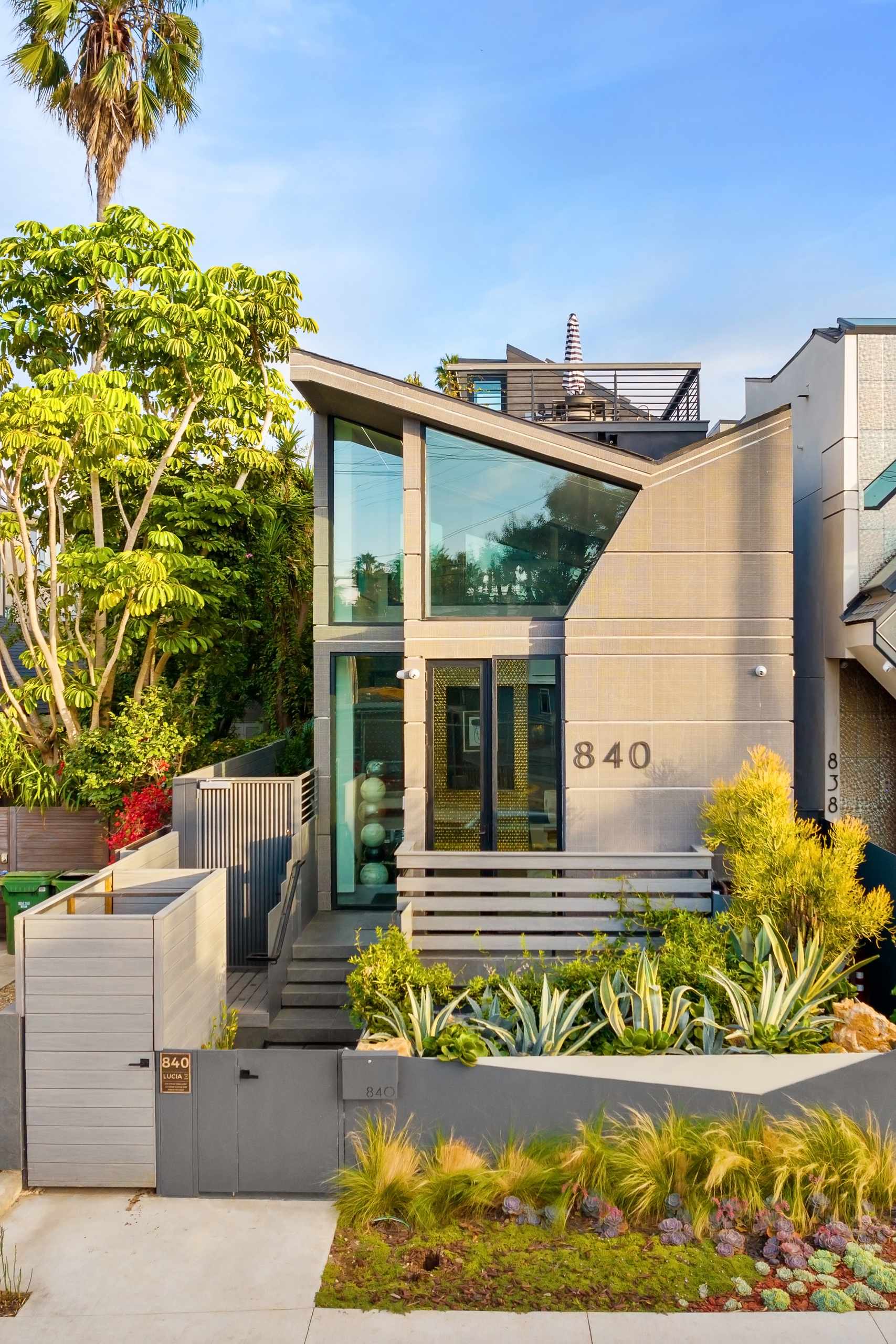
Balance Space And Structure
Compare lawn, planting zones, hardscape, and open space so one element does not overwhelm the rest of the landscape.
Practice One Design Decision At A Time
A landscape plan becomes easier to understand when it is built in stages. Observe the site, establish zones and circulation, test plant spacing, and then revise the layout from the viewpoint of someone walking through, using, and maintaining the space.
Sketch At Simple Scale
Use measurements, graph paper, and simple symbols to compare proportions without turning an early idea into a complicated drawing.
Check Mature Plant Spread
Represent future canopy and shrub width on the plan so planting groups have enough room instead of looking full only on day one.
Review From Ground Level
Look at the plan from entrances, paths, and seating areas to check focal points, view lines, access, and transitions between different zones.